
iyasnt.com

Uncategorized

Uncategorized

How Do You Actually Get Clients as a Web Designer in Kerala?

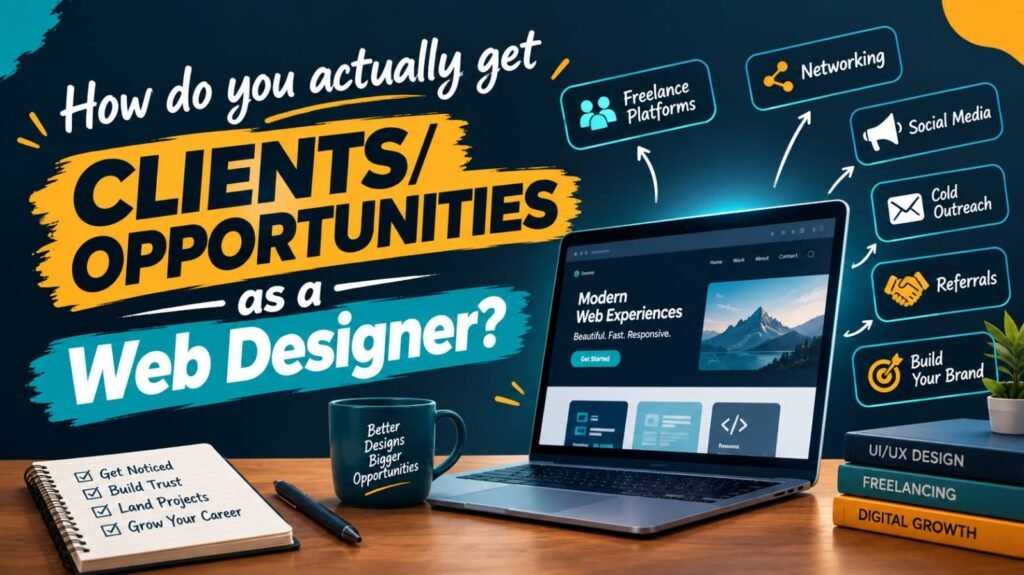
How Do You Actually Get Clients as a Web Designer in Kerala? Every web designer starts the same way — excited about the craft, confident in the skills, and then completely stuck on one question nobody really teaches you: where do the actual clients come from? You can be brilliant at building fast, clean, beautiful websites, but if nobody knows you exist, that skill sits unused. Let’s talk honestly about what actually brings in work, especially for designers working in and around Kerala’s business community. Stop Waiting for a Perfect Portfolio A lot of new designers get stuck in an endless loop — “I’ll start reaching out once my portfolio looks better.” Meanwhile, months pass, and the portfolio never quite feels ready. Here’s the truth: a portfolio full of pretty mockups for imaginary brands convinces nobody. What convinces a client is proof that you solve real problems for real businesses. If you don’t have paid work yet, find one or two local businesses — a small bakery, a homestay, a tailoring shop — with a genuinely outdated website, and offer to redesign it for free or at a steep discount, purely to build a real before-and-after case. A business owner in Kottayam running a fifteen-year-old website that looks broken on mobile is far more valuable to your career right now than another polished template project nobody actually needs. Go Straight to the Businesses With Bad Websites This is, without question, one of the highest-converting things a web designer can do, and almost nobody does it consistently. Spend an evening searching local businesses in your area — restaurants, clinics, shops, service providers — and note down the ones with slow, outdated, or completely broken mobile experiences. Then reach out, but be specific. A vague message like “Hi, I’m a web designer, interested in working together?” gets ignored every time. Something like “I noticed your site takes almost ten seconds to load on mobile, and that’s likely costing you customers who give up before it even opens — here’s what I’d fix” gets replies, because it shows you actually looked, and you’re offering to solve a real, named problem rather than pitching a generic service. Let Your First Few Clients Do the Talking Once you’ve completed two or three solid projects, don’t just move on quietly to the next one. Actively ask those clients for introductions — to other business owners they know, vendors they work with, even family members running their own shops. Kerala’s business community, especially outside the big cities, is tightly connected. One genuinely happy client can open three or four more doors just through a casual mention at a business gathering or a family function. The trick is asking at the right moment — right after the client has expressed satisfaction, not weeks later through an awkward follow-up message. A simple “if you know anyone else who could use something similar, I’d really appreciate the introduction” said at the right time does more than any cold outreach campaign. Pick a Lane Instead of Being Generic “Web designer” is a crowded, forgettable label. Being known specifically as the person who builds sites for ayurvedic clinics, or handloom and textile sellers, or homestays in the hill districts, changes everything. It lets you speak the specific language of that industry, reuse what you’ve learned project after project, and become the obvious recommendation whenever someone in that niche needs a website. Niching down also makes referrals dramatically easier. A vague “web designer” is hard to recommend to anyone specific. A “web designer who specializes in tourism and homestay websites” gets recommended instantly the moment someone in that circle mentions needing a new site. Use Freelance Platforms as a Stepping Stone, Not a Home Platforms like Upwork or Fiverr can genuinely help early on — mainly to collect your first handful of reviews and build a bit of credibility fast. But the pricing pressure on these platforms is brutal, and treating them as a long-term source of steady, well-paying work usually leads to frustration. Use them to get moving, then shift your energy toward direct relationships once you have a bit of proof behind you. Show Up Where Local Business Owners Actually Are Chamber of commerce meetups, local trade association events, even active WhatsApp groups for entrepreneurs in your district — these put you directly in front of decision-makers without competing against a hundred other freelancers on a search page. A five-minute conversation at a local business meetup, where you can actually explain what you do and ask questions about someone’s current website, often does more than weeks of cold messaging ever could. Build Relationships With People Who Already Have the Clients Marketing agencies, branding designers, and copywriters regularly need a reliable web designer to hand projects to, because building websites usually isn’t their core skill. A steady relationship with two or three such partners can quietly become one of your most consistent sources of work, without you having to chase anything yourself. This is also where it helps to understand the bigger picture beyond just design. A beautifully built website that nobody can find in search results, or that isn’t backed by any real marketing strategy, often underdelivers for the client — which reflects on you too, even if the design itself was flawless. Designers who take the time to understand how the best digital marketing expert in Kerala, India actually thinks about visibility, local SEO, and customer behaviour tend to build stronger, longer relationships with clients, because they’re not just handing over a website — they’re helping the business actually get found and get results from it.   Play the Long Game With Visibility Too Sharing your actual process on LinkedIn or Instagram — real before-and-afters, small lessons from projects, honest thoughts on what makes a website actually convert — builds credibility steadily over months. It rarely brings instant leads, but it compounds. A year of consistent, honest sharing puts you in a completely different position than starting from zero […]
Uncategorized

Is SEO Really Dead Because of AI?

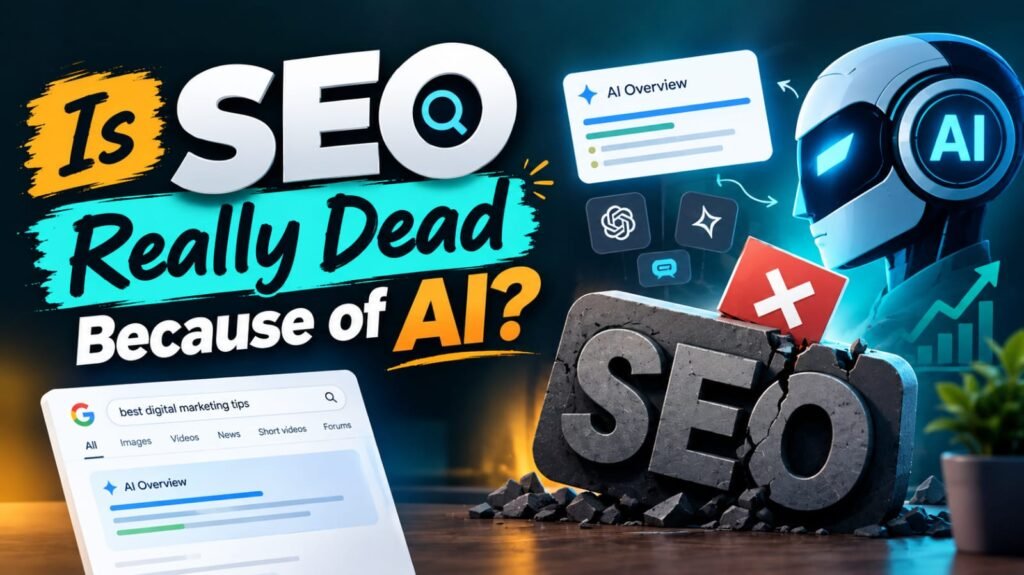
Is SEO Really Dead Because of AI? Here’s What’s Actually Happening Every few months, someone declares SEO dead. First it was social media that was supposedly going to kill it, then it was AI chatbots, and now it’s AI-generated search summaries taking over the results page. If you’ve been running a business website in Kerala for any length of time, you’ve probably heard this claim at least three times by now, usually from someone trying to sell you a different service entirely. Here’s the honest answer: SEO isn’t dead. It’s just not the same SEO your neighbor’s cousin learned from a course five years ago. Let’s talk about what’s actually going on. Why People Think SEO Is Dying The fear comes from a real place. When you search something on Google today, you often get an AI-generated summary right at the top of the page, answering your question before you even click a single link. For a business owner in Kozhikode who’s spent years building up rankings, that’s genuinely worrying. If people get their answer without clicking through, where does that leave your website? But here’s what’s missed in that panic — people still click through. AI summaries are good for quick factual answers, but the moment someone wants to actually book a homestay, buy a product, compare prices, or read real reviews, they’re clicking into actual websites. The clicks haven’t disappeared. They’ve just shifted toward who ranks well for the searches that actually lead to a sale. What’s Genuinely Changed Search itself has gotten a lot smarter about understanding what people actually mean, not just matching the exact words they typed. A few years back, if someone searched “ayurvedic treatment centre near me,” ranking well meant stuffing that exact phrase into your page title, headers, and body text as many times as you could get away with. That trick is dead, no doubt about it. What’s replaced it is search engines trying to understand intent — is this person looking to book something, just researching, comparing options, or nearby and ready to walk in right now? Google’s systems now read a page more like a person would, checking whether it genuinely answers the question, whether the business is credible, whether other sites and reviews back up what’s being claimed. Voice search has grown a lot too, especially with people asking full questions while driving or cooking, and a good chunk of that happening in Malayalam or in the Manglish most of us type without even thinking about it. A page built only around stiff, formal keyword phrases misses all of that natural conversational search. What SEO Experts Are Actually Doing Differently Now The professionals who are still getting results for their clients have shifted their whole approach, and it’s worth understanding what that shift looks like. First, content has to genuinely answer the question, in full, without dancing around it just to keep someone on the page longer. Search engines have gotten good at detecting thin, padded content that says very little across a lot of words. The old trick of writing 2000 words to say what could be said in 400 doesn’t fool anyone anymore, least of all the algorithm. Second, there’s a lot more focus on being the trusted source rather than just being present. That means getting mentioned by other credible local sites, getting real customer reviews, having consistent business information across every platform — Google Business Profile, Justdial, social pages, all of it lining up. Trust signals matter more now than keyword density ever did. Third, local relevance has become sharper. For a Kerala business, this means showing up correctly for hyper-specific local searches — not just “textile shop” but “handloom textile shop near Guruvayur temple” or whatever genuinely matches how people in that area actually search. Generic optimization aimed at the whole country does very little for a business that mainly serves people within its own district. Fourth, experts are optimizing for these AI summary boxes directly, not fighting against them. If a page is structured clearly, answers a specific question early and directly, and is backed by credible information, it has a real shot at being the source an AI summary pulls from and links back to — which is actually excellent visibility, not a loss. Fifth, technical basics matter more than ever, not less. Site speed, mobile-friendliness, secure connections — search engines have always cared about these, but with more competition for fewer top spots, the businesses with clean, fast, well-built websites are pulling ahead of the ones still running on outdated setups from years ago. What Kerala Businesses Should Actually Take From This If your business has been coasting on old SEO habits — a bit of keyword stuffing, a handful of backlinks bought in bulk, and hoping for the best — that approach has genuinely stopped working, and no amount of patience is going to bring those old results back. But if you’re willing to shift toward real, useful content and genuine local credibility, there’s more opportunity now than there’s ever been, simply because so many competitors haven’t made that shift yet. This is exactly the gap where working with the best digital marketing expert in Kerala, India makes a real difference. Someone who actually understands how search has evolved — not just in general, but specifically for how people in this state search, in the languages and phrasing they naturally use — can build a strategy that works with these changes instead of getting left behind by them. SEO isn’t dead. It’s gotten more demanding, more honest, and frankly, more rewarding for the businesses willing to actually put in the work instead of looking for shortcuts. The ones treating this shift seriously right now are the ones who’ll still be visible, credible, and getting customers through their doors two years from now — while everyone still chasing old tricks quietly falls behind.

Uncategorized

How AI Is Changing Digital Marketing

How AI Is Changing Digital Marketing Sit with any shop owner in Thrissur or Kochi over a cup of chaaya and ask them how marketing worked ten years back. They’ll tell you it was all about who you knew — a good rate with the local cable TV guy, a banner outside the shop during Onam, maybe a flex board near the junction. Word of mouth did the rest. Today, that same shop owner is running Instagram ads targeted at people within five kilometers who searched for “best sarees near me” last week. That’s the distance AI has covered in digital marketing, and honestly, it happened faster than most of us expected. Let’s talk about what’s really changing on the ground, not just the fancy terms thrown around in seminars. Nobody’s Waiting Till Office Hours Anymore Kerala runs on WhatsApp and quick replies, and customers expect the same speed everywhere else. If someone messages your boutique at 10:30 at night asking about a wedding collection, they don’t want to wait till 10 AM the next day for an answer. Automated chat assistants now handle these late-night questions, confirm appointment slots, share pricing, and keep the conversation going until a real person can take over in the morning. It’s not about removing the human touch — it’s about making sure the customer doesn’t walk away just because the timing was inconvenient. Writing and Content Work Got a Serious Speed Boost Any business owner who’s tried to keep up a regular posting schedule knows how much time content eats up. Captions, blog posts, festival greetings, product descriptions — it adds up. Tools now help generate first drafts quickly, freeing up time for the actual creative decisions: what tone fits an Onam campaign, what image style resonates with a Kerala audience, what feels authentic versus what feels copy-pasted from somewhere else. That authenticity part is non-negotiable here. Malayali audiences can spot a generic, robotic-sounding post from a mile away — the kind that reads like it was translated straight from an English template with no local feel to it. That’s exactly why the brands doing well right now use these tools to save time, but still have someone who genuinely understands the local audience shape the final message. The Way People Search Has Completely Changed Google searches today look nothing like they did five years back. People type full questions, they use voice search while cooking or driving, and increasingly, they search in Malayalam or in that comfortable code-mixed Manglish we all use daily. Search engines have gotten smarter at understanding intent rather than just matching keywords, which means old-style SEO — cramming keywords everywhere — simply doesn’t work anymore. This shift is a big reason why more business owners across the state are actively looking for the best digital marketing expert in Kerala, India, instead of trying to figure out modern SEO on their own through random YouTube videos. Getting found today requires understanding how local search behavior actually works, not guessing. Advertising Budgets Are Working Harder Running ads used to mean picking an audience, setting a budget, and hoping for the best. Now, ad platforms constantly test and adjust in real time — pulling back on audiences that aren’t converting, pushing more budget toward what’s actually working. For a business in Kerala’s competitive market, where every rupee of ad spend matters, this efficiency is the difference between a campaign that pays for itself and one that quietly drains money without anyone noticing until the month-end report. Small Businesses Finally Get to See Their Own Data Clearly Every business generates data — sales patterns, website visits, which products people actually buy versus just browse. The problem was always that small and medium businesses didn’t have the time or the manpower to make sense of it. Now, tools can surface these patterns automatically: which festival season drove the most sales, which page on the website is losing potential customers, which type of post actually gets engagement. For Kerala’s massive base of small enterprises — the local textile shops, the spice exporters, the family-run restaurants — this is a genuine leveling of the field. Data-driven decisions aren’t just for the big corporate players anymore. Photos and Videos Don’t Need a Big Production Budget Showing off a product used to mean hiring a photographer, sometimes a videographer, and spending a good chunk of the marketing budget on a single shoot. Now, tools help enhance photos, generate quick promotional clips, add captions, and polish visuals without that overhead. A houseboat operator in Alappuzha or a handloom seller in Kannur can now put out professional-looking content regularly, not just once in a while. What Hasn’t Changed, and What Never Will Here’s the honest truth that a lot of people skip over: none of these tools understand Kerala the way a person who’s grown up here does. They don’t know why an Onam campaign needs a completely different feel from a regular weekday post, or which community references land well and which ones feel forced. That understanding — the cultural instinct, the local judgment — still has to come from a human being. Where This Leaves Businesses in Kerala The opportunity right now is bigger than most people realize. Sophisticated marketing that used to require a big-city agency and a bigger budget is now within reach of a shop owner in a small town — but only if the strategy behind it is sound, not just because a tool got switched on. That’s usually where things go wrong. A business tries a new tool, doesn’t see immediate results, and decides marketing technology “doesn’t work for them.” More often than not, the tool wasn’t the issue — the strategy guiding it was missing. This is precisely where working with the best digital marketing expert in Kerala, India makes a real difference, someone who understands both the technology and the local market well enough to make them work together properly. The pace of change isn’t slowing down. Businesses that […]

Scroll to Top